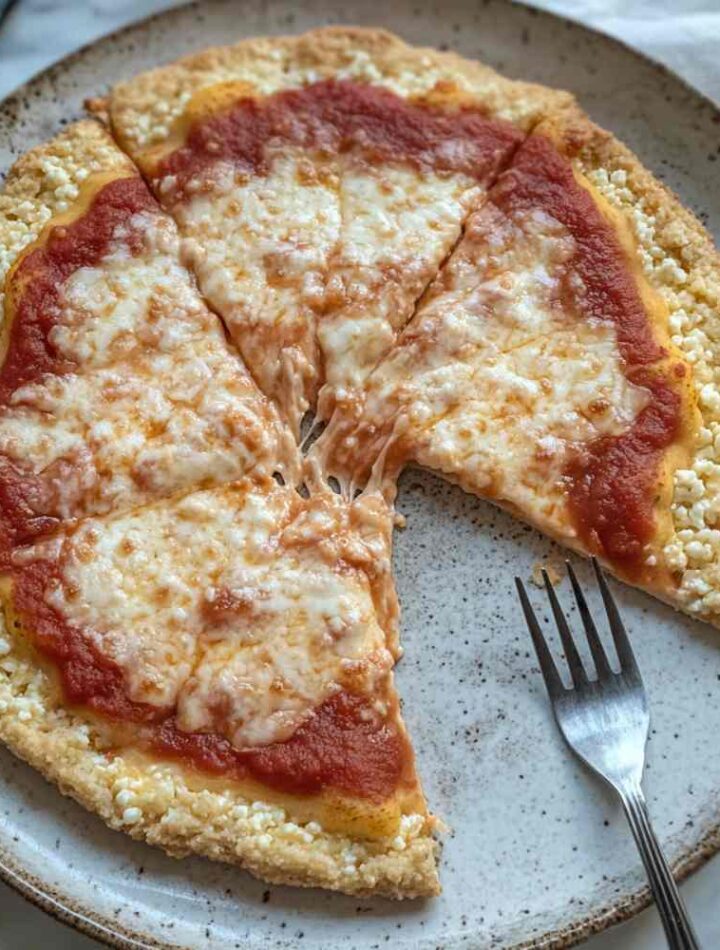
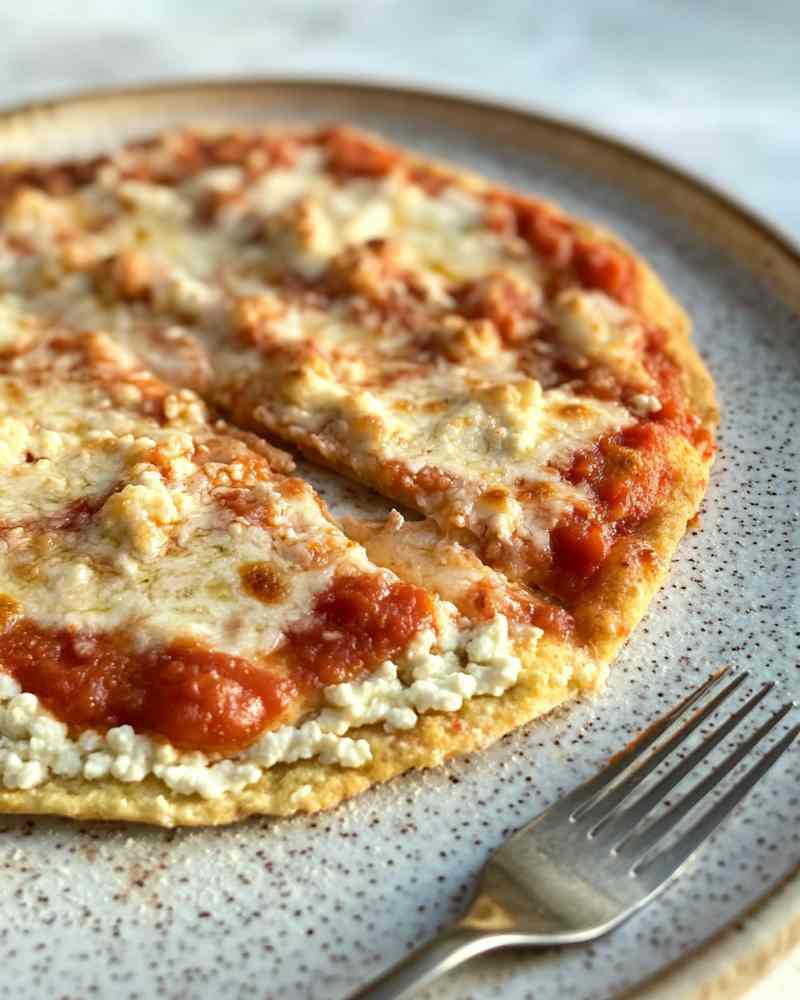
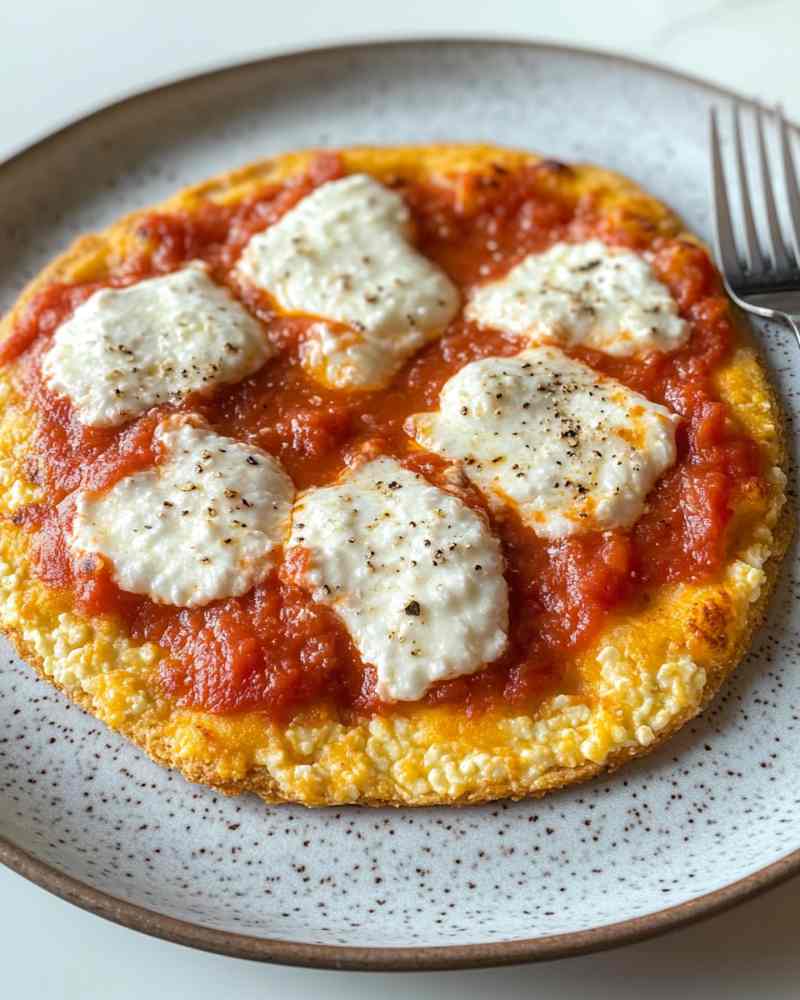
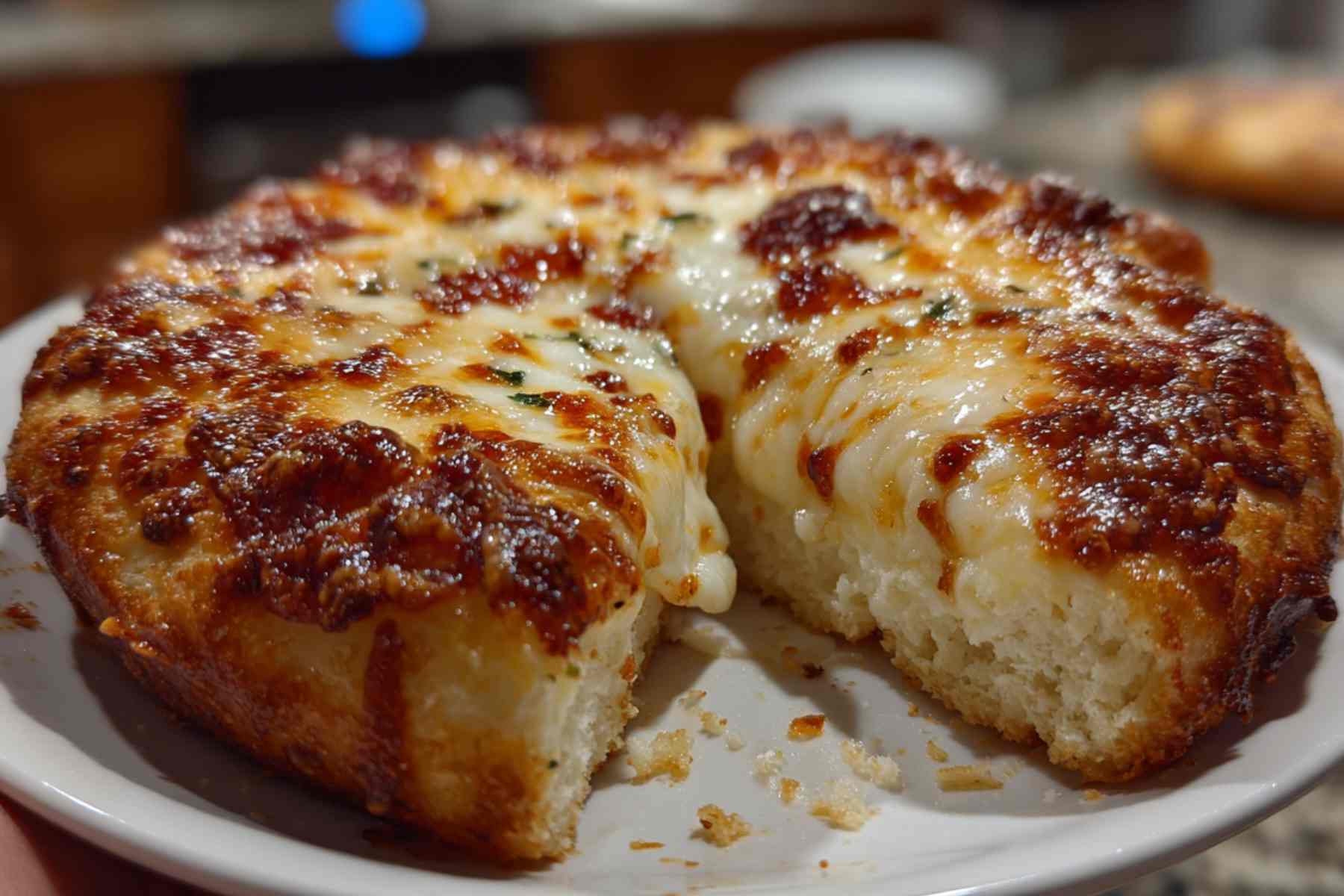
Cottage cheese pizza crust is the kind of kitchen magic that feels almost too simple to be real. As it bakes, the edges turn golden and slightly crisp, while the center stays tender with a subtle tang that melts into your toppings. You’ll smell that warm, toasty aroma of baked cheese and dough—comforting, savory, irresistible. This isn’t just a healthier alternative; it’s a transformation. With minimal ingredients and maximum flavor, this crust delivers everything you crave from pizza—without the heaviness of traditional dough.
Table of Contents
Table of Contents
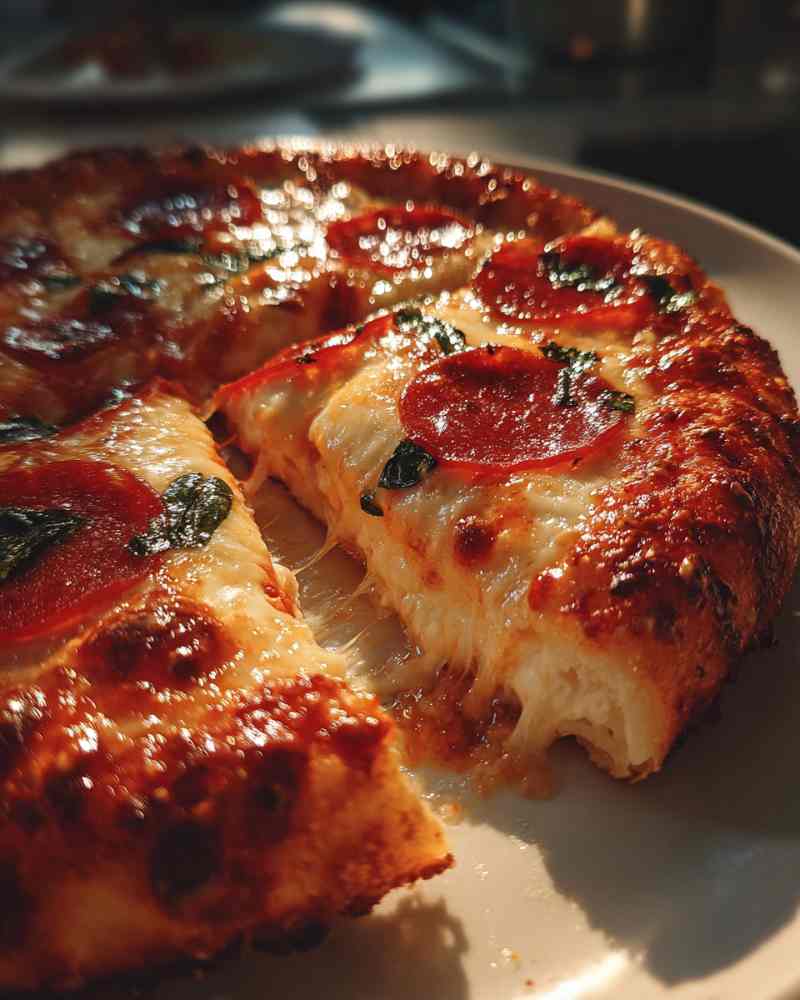
A high-protein, low-carb alternative, this cottage cheese pizza crust delivers a soft yet crisp bite with a subtly tangy flavor. Perfect for quick meals, this easy high-protein pizza crust with cottage cheese transforms simple ingredients into a satisfying base.
What Is Cottage Cheese Pizza Crust?
Cottage cheese pizza crust is a modern, protein-rich alternative to traditional dough, often used in low-carb and keto recipes. Instead of yeast and flour-heavy bases, it blends cottage cheese with eggs and flour (or low-carb substitutes) to create a soft, bakeable crust that holds toppings beautifully.
Why You’ll Love It
This crust isn’t just trendy—it’s genuinely practical. It’s quick to make, surprisingly filling, and adaptable to almost any dietary goal.

- Quick: Ready in under 30 minutes—no rising time needed
- Healthy: High in protein, lower in carbs than traditional crust
- Flexible: Works with gluten-free or keto flours
- Meal-prep: Make ahead and store for busy weeknights
- Kid-friendly: Mild flavor blends well with favorite toppings
- Budget-friendly: Uses simple, affordable ingredients
Reader Questions
- Can cottage cheese really replace traditional pizza dough?
- What’s the best flour for a low-carb cottage cheese crust?
- How do you make cottage cheese pizza crust crispy, not soggy?
- Is this recipe suitable for keto or gluten-free diets?
Step-by-Step Instructions
Ingredients
- 1 cup cottage cheese (full-fat for best texture)
- 1 egg
- ¾ cup flour (all-purpose, almond, or oat flour)
- ½ tsp baking powder
- Pinch of salt
Instructions
1. Preheat and Prep
Set your oven to 400°F (200°C). Line a baking sheet with parchment paper to prevent sticking.
2. Blend the Base
In a blender or food processor, combine cottage cheese and egg. Blend until completely smooth—this step ensures a uniform crust texture.
3. Mix Dry Ingredients
In a bowl, whisk flour, baking powder, and salt.
4. Combine and Shape
Pour the blended mixture into the dry ingredients. Stir until a soft dough forms. Spread it onto your prepared baking sheet, shaping into a thin round or rectangle.
5. Pre-Bake
Bake for 12–15 minutes until the edges turn lightly golden.
6. Add Toppings & Finish Baking
Add sauce, cheese, and toppings, then bake another 8–10 minutes until bubbly and crisp.
Micro-tip: For extra crispiness, preheat your baking tray before placing the dough.
Quick-fix: If your dough feels too wet, add 1–2 tablespoons of flour gradually.
This method ensures a crispy cottage cheese pizza crust without flour overload.
For a classic dough comparison, see this guide: homemade pizza dough
Variations
Healthy Version
Use oat flour or whole wheat flour and low-fat cottage cheese for a lighter version. Pair with veggie toppings inspired by cauliflower recipes for a nutrient-dense meal.
Budget Version
Stick to all-purpose flour and basic toppings like tomato sauce and shredded mozzarella. Simple ingredients, same satisfying result.
Kid-Friendly Version
Make mini pizza rounds and let kids add toppings. Pair with sweet treats like cheesecake brownies for a fun meal combo.
High-Protein Version
Add a scoop of unflavored protein powder or use almond flour to boost protein content further. This answers the popular question: how to make high-protein pizza dough at home?
Tips for Perfect Results
- Drain your cottage cheese slightly if it’s too watery—excess moisture leads to soggy crust
- Blend thoroughly to avoid lumps and ensure smooth consistency
- Don’t skip pre-baking—it’s essential for structure
- Use parchment paper for easy removal and even browning
Storage & Reheating
Store leftover slices in an airtight container in the fridge for up to 3 days. When reheating, skip the microwave—use an oven or skillet to bring back that crisp edge and warm, melty center.
For longer storage, freeze the pre-baked crust. Wrap tightly and store for up to 2 months. This makes it ideal for a meal prep cottage cheese pizza crust for busy weeks.
FAQs
1. Can I make cottage cheese pizza crust without flour?
Yes, but the texture will be softer. Almond or coconut flour works best for structure.
2. Is cottage cheese pizza crust keto?
It can be if you use low-carb flour like almond flour.
3. Why is my crust soggy?
Too much moisture in the cottage cheese or skipping pre-baking causes this.
4. Can I freeze the crust?
Yes, freeze after pre-baking for best results.
5. What toppings work best?
Classic cheese, veggies, or lean meats all work well.
6. How do I make it crispier?
Bake longer or use a preheated pan.
Try pairing with: air fryer chicken thighs
Nutrition (Per Serving Approx.)
- Calories: 180
- Protein: 14g
- Carbs: 10g
- Fat: 8g

Cottage Cheese Pizza Crust
Ingredients
Equipment
Method
- Preheat oven to 400°F (200°C) and line a baking sheet with parchment paper.
- Blend cottage cheese and egg until smooth.
- In a bowl, mix flour, baking powder, and salt.
- Combine wet and dry ingredients to form a soft dough.
- Spread dough onto baking sheet into desired shape.
- Bake for 12–15 minutes until lightly golden.
- Add toppings and bake another 8–10 minutes.
Notes
Disclaimer: Nutrition values are estimates and vary based on ingredients used.
Final Notes
Cottage cheese pizza crust proves that comfort food can evolve without losing its soul. It’s warm, satisfying, and adaptable—perfect for weeknights or creative cooking sessions. Once you master it, you’ll find yourself reaching for this protein-packed base again and again. It’s not just a trend—it’s a smarter way to enjoy pizza with a nourishing twist.
Related Recipes
For more creative pizza presentation ideas and topping inspiration, you can explore recipes and visuals on Pinterest.