Irish soda bread is the kind of recipe that fills your kitchen with the warm, toasted scent of flour and buttermilk within minutes. There’s no yeast, no waiting for dough to rise—just a rustic loaf with a crackly crust and tender crumb that comes together in one bowl. As it bakes, the top splits into that iconic cross, revealing a golden interior that’s slightly tangy and deeply comforting. Whether served thickly sliced with salted butter melting into every crevice or alongside a hearty stew, Irish soda bread delivers simple ingredients transformed into something unforgettable.
This traditional Irish soda bread recipe creates a golden, crusty loaf with a soft, tender crumb and delicate buttermilk tang. Made without yeast, this easy Irish soda bread without yeast is ready in under an hour—perfect for busy weeknights or holiday tables.
Table of Contents
Table of Contents
What Is Irish Soda Bread?
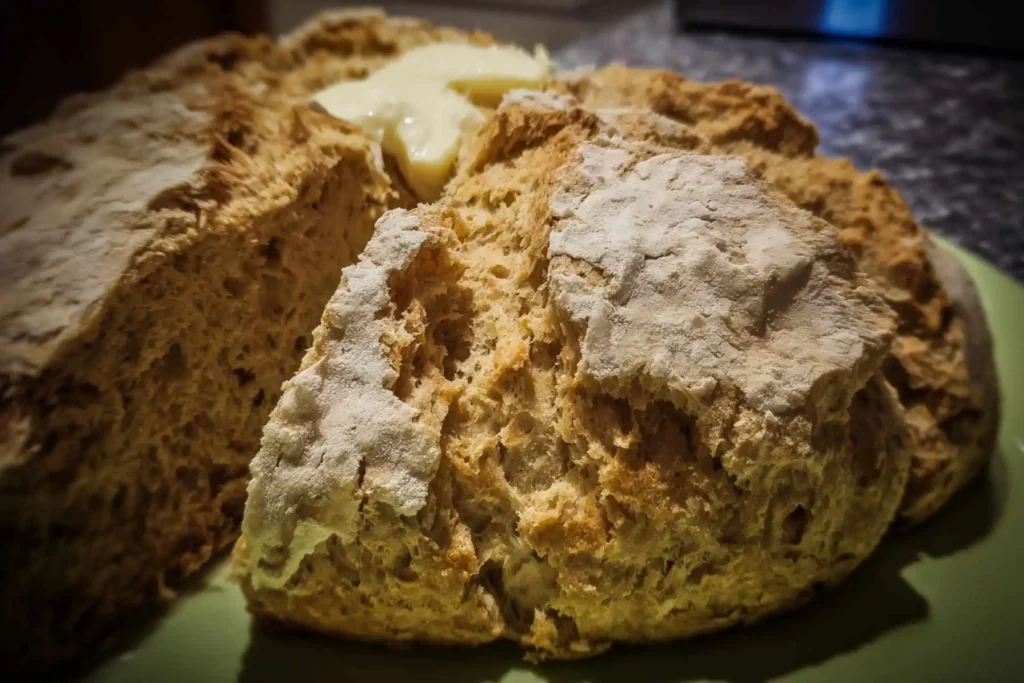
Irish soda bread is a quick bread that uses baking soda as a leavening agent instead of yeast. The reaction between baking soda and acidic buttermilk produces carbon dioxide, which helps the dough rise immediately in the oven. Unlike yeast breads that require kneading and proofing, traditional soda bread is mixed gently and baked right away, resulting in a rustic loaf with a dense yet tender crumb and crisp crust.
Why You’ll Love It
Irish soda bread is reliable, forgiving, and deeply satisfying. It’s the recipe you turn to when you want something homemade without hours of effort. The crust shatters lightly under your knife, while the inside stays moist and slightly tangy.
- Quick: No rise time—ready in about 45 minutes.
- Healthy: Made with simple pantry staples and no added preservatives.
- Flexible: Easily adapted with whole wheat or add-ins.
- Meal-prep friendly: Stays fresh for days and freezes beautifully.
- Kid-friendly: Mild flavor and soft texture make it perfect for little hands.
- Budget-friendly: Uses inexpensive ingredients like flour, baking soda, and buttermilk.
Reader Questions
- Can I make Irish soda bread without buttermilk?
- Why do you cut a cross on top of Irish soda bread?
- How do you keep Irish soda bread from being too dense?
- What makes traditional Irish soda bread different from American versions?
You’ll find the answers woven throughout this guide—along with chef-level techniques that guarantee success.
Step-by-Step Instructions
Ingredients
- 4 cups all-purpose flour
- 1 teaspoon baking soda
- 1 teaspoon salt
- 1 ¾ cups cold buttermilk
Optional: 1 tablespoon sugar (for subtle sweetness)
1. Preheat and Prepare
Preheat your oven to 425°F (220°C). Line a baking sheet with parchment paper or lightly dust it with flour.
2. Mix the Dry Ingredients
In a large bowl, whisk together flour, baking soda, and salt. Whisking evenly distributes the baking soda so the loaf rises consistently.
3. Add the Buttermilk
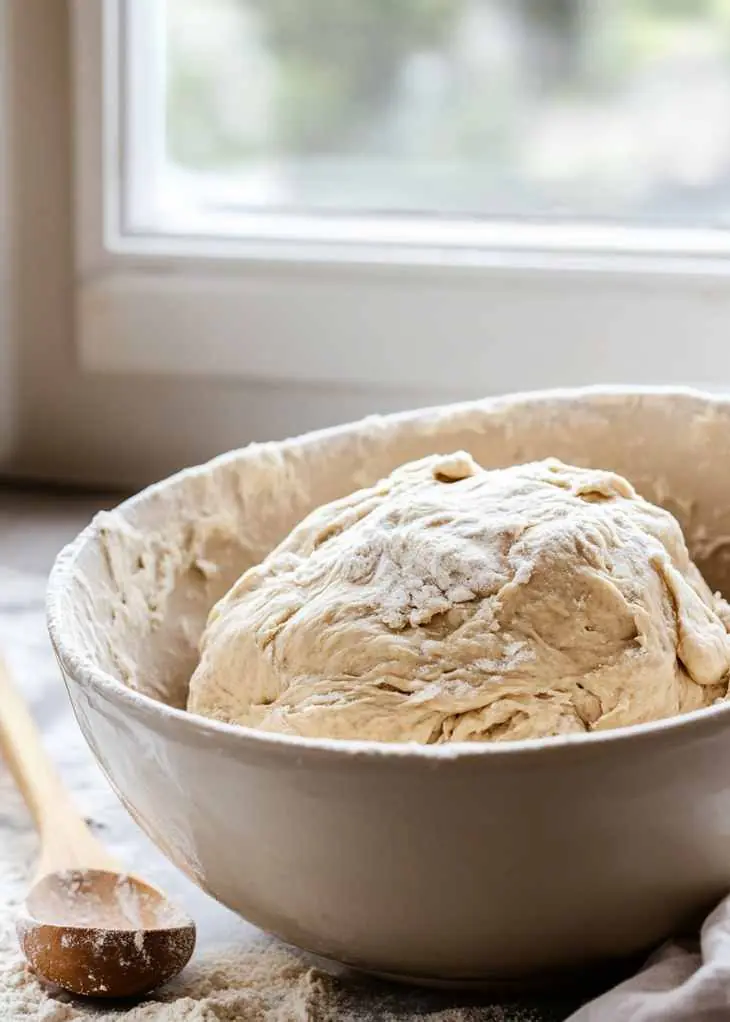
Create a well in the center and pour in the cold buttermilk. Stir gently with a wooden spoon until a shaggy dough forms.
Micro-tip: Stop mixing as soon as no dry flour remains. Overmixing develops gluten and makes the bread tough.
4. Shape the Dough
Turn the dough onto a lightly floured surface. Gently knead just 8–10 times—enough to bring it together. Shape into a round loaf about 1½ inches thick.
5. Score the Top
Place on your prepared baking sheet. Using a sharp knife, cut a deep cross across the top.
Quick-fix: If your dough feels sticky, dust lightly with flour—but avoid adding too much or the crumb becomes dry.
6. Bake
Bake for 30–35 minutes, until deeply golden and the bottom sounds hollow when tapped. Internal temperature should reach about 190°F.
Let cool at least 15 minutes before slicing. This easy Irish soda bread without yeast sets its crumb as it cools, preventing gumminess.For a bright spring meal pairing, serve it alongside this fresh vegetable favorite: pasta primavera
Variations
Healthy Irish Soda Bread
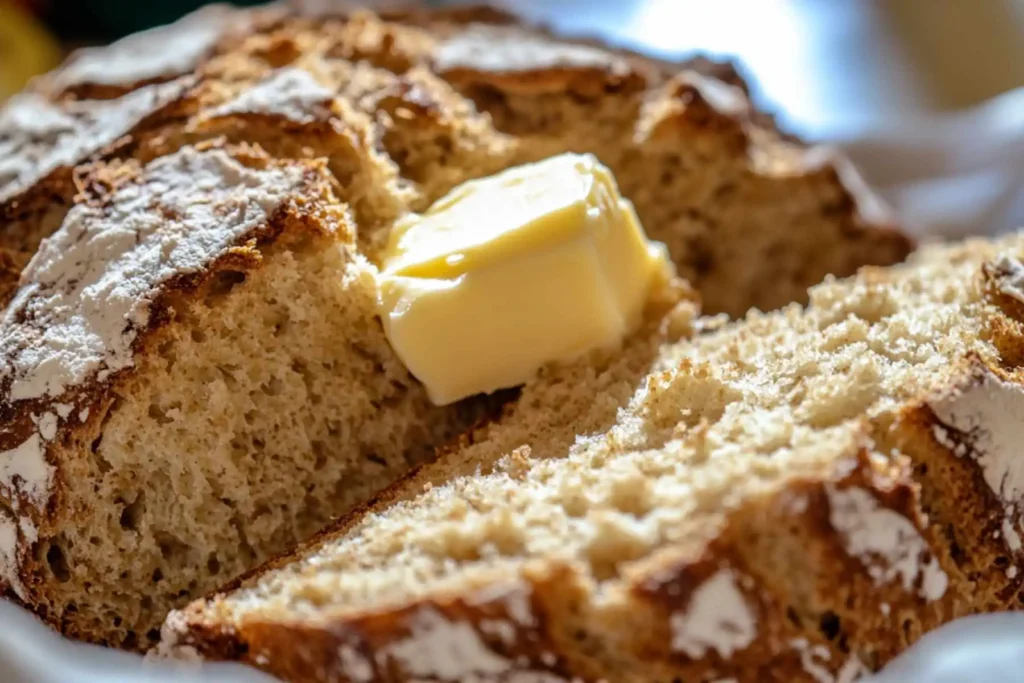
Swap half the all-purpose flour for whole wheat flour. The nutty aroma intensifies, and the texture becomes heartier. Add 1 tablespoon honey for balance. Whole grain versions provide extra fiber—according to USDA nutrition guidance usda gov , whole grains contribute essential nutrients and digestive support.
Pair this wholesome loaf with lighter dishes like pasta primavera for a balanced meal.
Budget-Friendly Version
Use homemade buttermilk: combine 1 ¾ cups milk with 1 tablespoon lemon juice or vinegar. Let sit 5 minutes before using. This substitution works beautifully and reduces grocery costs.
If you’re planning a simple family dinner, this loaf stretches beautifully along pasta primavera for a satisfying, affordable spread.
Kid-Friendly Irish Soda Bread
Add ½ cup raisins for a slightly sweet twist. Some families call this “spotted dog.” The raisins plump in the oven, adding little bursts of natural sweetness. If your child prefers softer crust, tent loosely with foil during the last 10 minutes.
High-Protein Version
Replace ½ cup flour with plain Greek yogurt and reduce buttermilk slightly. The loaf becomes richer and more tender while boosting protein. Many ask, “Can Irish soda bread be made healthier?”—this is a great solution that preserves flavor while enhancing nutrition.
Pro Tips for Perfect Texture
- Use Cold Buttermilk: Cold liquid slows gluten development, keeping the crumb tender.
- Don’t Over-Knead: This isn’t yeast dough. Gentle handling ensures softness.
- Score Deeply: A shallow cross won’t allow proper expansion. Cut at least ½ inch deep.
- Steam Boost: For a thicker crust, place a small oven-safe dish of hot water in the oven during baking.
Storage & Reheating
Irish soda bread is best the day it’s baked, when the crust is crisp and the interior slightly warm. Store wrapped tightly in a clean towel at room temperature for up to 2 days. For longer storage, freeze slices individually in airtight bags.
To reheat, toast slices until the edges turn golden and fragrant again. The aroma returns instantly, especially in a rustic Irish soda bread with buttermilk recipe like this one. Avoid microwaving—it softens the crust excessively.
FAQs
1. Can I make Irish soda bread without buttermilk?
Yes. Combine milk with lemon juice or vinegar and let it sit 5 minutes before using.
2. Why is my Irish soda bread dense?
Overmixing or too little baking soda can prevent proper rise.
3. Do I need to refrigerate Irish soda bread?
No. Store at room temperature for 2 days or freeze for longer freshness.
4. What is traditional Irish soda bread made of?
Flour, baking soda, salt, and buttermilk—nothing more.
5. Can I add seeds or nuts?
Absolutely. Fold them in gently to avoid overworking the dough.
For another simple comfort dish, try pasta primavera
6. How do I know when Irish soda bread is done?
Tap the bottom—it should sound hollow and reach about 190°F internally.
Nutrition Information (Per Slice, Approximate)
- Calories: 180
- Carbohydrates: 34g
- Protein: 5g
- Fat: 2g
- Fibre: 1g
- Sodium: 320mg
- Disclaimer: Nutrition values are estimates and vary based on ingredient brands and substitutions. For personalized dietary guidance, consult a registered dietitian or trusted sources like Healthline.
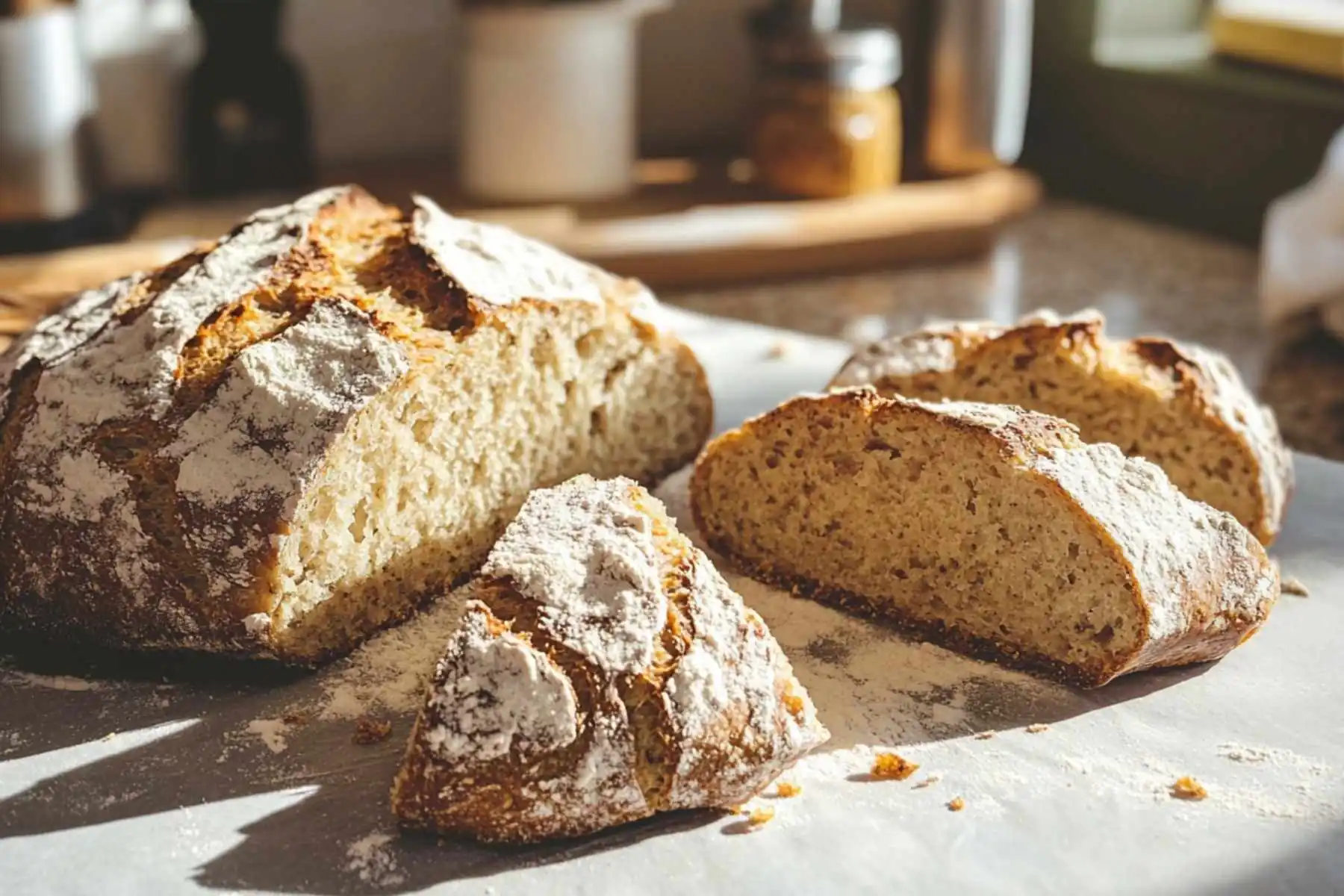
Irish Soda Bread – Easy No-Yeast Traditional Loaf
Ingredients
Equipment
Method
- Preheat oven to 425°F (220°C). Line a baking sheet with parchment paper.
- In a large mixing bowl, whisk together flour, baking soda, and salt.
- Make a well in the center and pour in the cold buttermilk. Stir gently until a shaggy dough forms. Do not overmix.
- Turn dough onto a lightly floured surface and knead gently 8–10 times until it comes together.
- Shape into a round loaf about 1½ inches thick and place on prepared baking sheet.
- Using a sharp knife, cut a deep cross on top of the dough (about ½ inch deep).
- Bake for 30–35 minutes, until golden brown and the bottom sounds hollow when tapped.
- Cool on a rack for at least 15 minutes before slicing.
Notes
Final Notes
Irish soda bread reminds us that great baking doesn’t require complexity—just technique and respect for ingredients. The crust crackles, the crumb stays tender, and every slice feels like a piece of heritage. Whether you serve it with butter, jam, or beside a comforting stew, this rustic quick bread earns its place at the table again and again.
Related Recipes
If you loved this loaf, you might enjoy:
- Fresh spring vegetable pasta