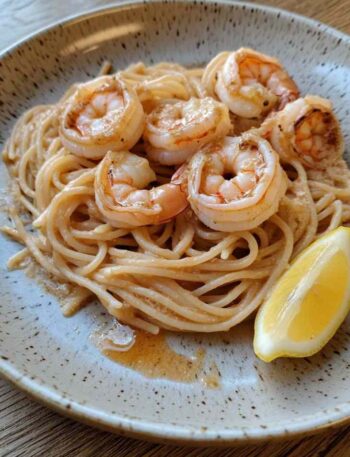
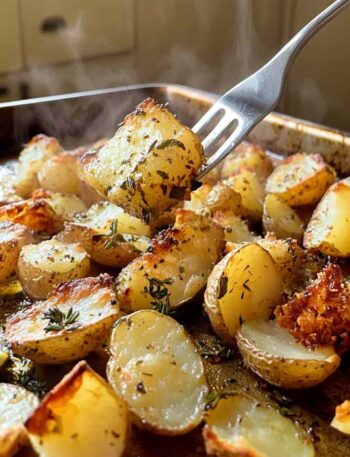
Pasta primavera is spring in a bowl—vibrant ribbons of zucchini, sweet bell peppers, tender-crisp asparagus, and bursts of cherry tomatoes tangled with perfectly al dente pasta. Steam rises carrying the perfume of garlic sizzling in olive oil, a hint of lemon zest, and freshly grated Parmesan melting into silky strands. Every forkful delivers contrast: creamy and crisp, savory and subtly sweet, hearty yet light. This is the dish you make when you want something fresh but satisfying, colorful yet comforting. Whether served family-style at the table or plated elegantly for guests, pasta primavera never fails to glow.
This pasta primavera recipe combines sautéed seasonal vegetables, garlic, olive oil, and Parmesan for a light yet comforting dish. If you’re looking for an easy pasta primavera with fresh vegetables, this version delivers vibrant texture and clean, bright flavor in under 40 minutes.
Table of Contents
Table of Contents
What Is Pasta Primavera?
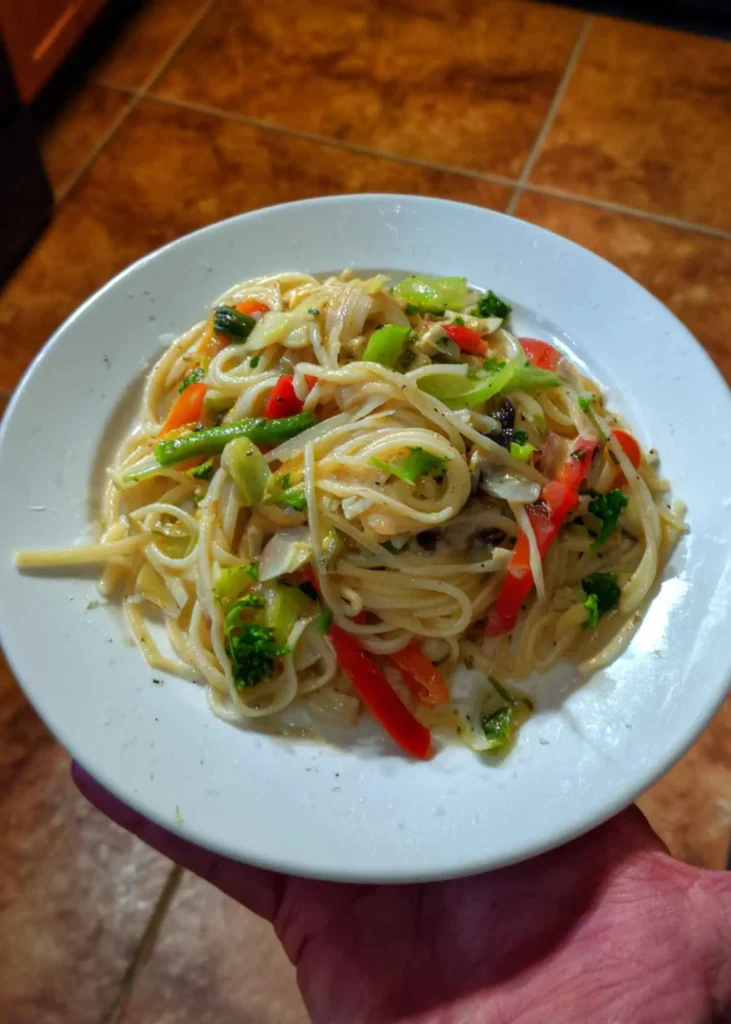
Pasta primavera is an Italian-American classic built around fresh vegetables and pasta, typically tossed in olive oil or a light cream sauce. The name “primavera” means “spring,” reflecting the use of seasonal produce. Unlike heavy Alfredo-style dishes, this vegetable pasta recipe highlights natural sweetness and crisp-tender texture, allowing each ingredient to shine without drowning in sauce.
Why You’ll Love It
Pasta primavera is the kind of meal that feels indulgent yet balanced. It celebrates vegetables without sacrificing satisfaction. The textures stay lively, the flavors remain bright, and the dish adapts to whatever produce you have on hand.
- Quick: Ready in about 35–40 minutes.
- Healthy: Packed with fiber-rich vegetables and heart-healthy olive oil (learn more about olive oil benefits at Healthline.com).
- Flexible: Swap vegetables based on season or preference.
- Meal-prep friendly: Tastes fantastic the next day.
- Kid-friendly: Colorful, lightly cheesy, and approachable.
- Budget-friendly: Uses everyday produce and pantry pasta.
Reader Questions
- Can you make pasta primavera without cream and still keep it silky?
- What vegetables go best in pasta primavera for maximum flavor?
- How do you keep vegetables crisp in a classic pasta primavera recipe?
- Can I add protein without overpowering the fresh vegetable taste?
You’re about to discover the answers—plus chef-level secrets that elevate this humble dish.
Step-by-Step Instructions
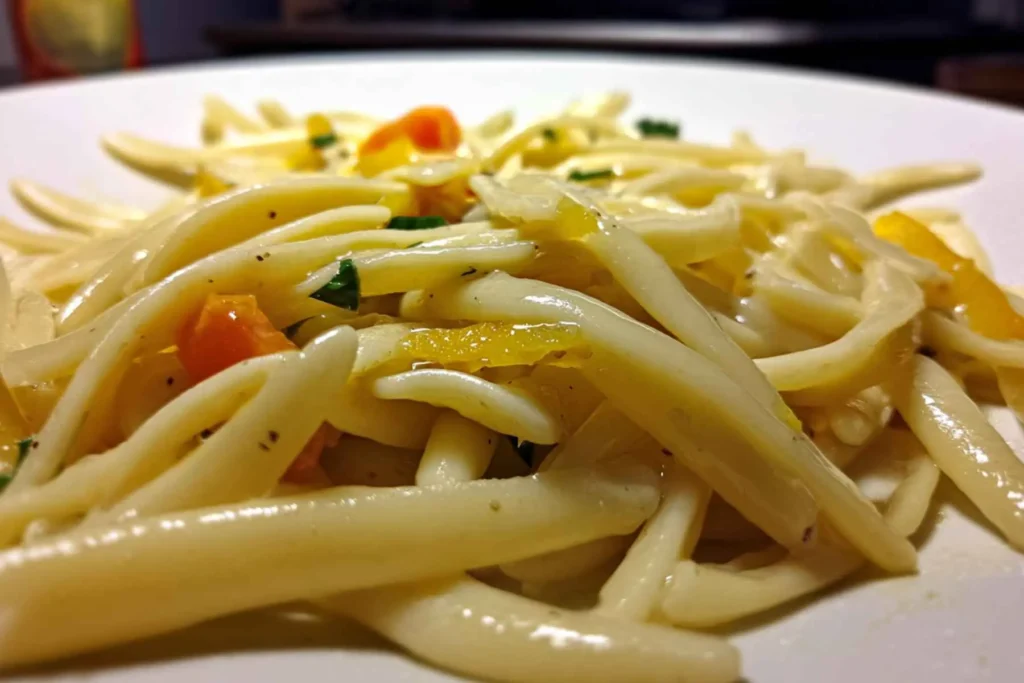
Ingredients
- 12 oz penne or fettuccine
- 2 tbsp extra-virgin olive oil
- 3 cloves garlic, finely minced
- 1 zucchini, sliced into half-moons
- 1 yellow squash, sliced
- 1 red bell pepper, thinly sliced
- 1 cup cherry tomatoes, halved
- 1 cup asparagus, trimmed and cut
- ½ cup grated Parmesan
- ½ tsp crushed red pepper (optional)
- Zest of 1 lemon
- Salt and freshly cracked black pepper
- Fresh basil or parsley for garnish
1. Boil the Pasta
Bring a large pot of salted water to a rolling boil. Cook pasta until just al dente—about one minute less than package directions.
Micro-tip: The water should taste like the sea. Properly salted water seasons the pasta from within.
Reserve ½ cup of pasta water before draining.
2. Sauté the Aromatics
Heat olive oil in a large skillet over medium heat. Add garlic and cook for 30 seconds until fragrant but not browned.
The aroma should bloom instantly—sweet, nutty, and inviting.
3. Cook the Vegetables
Add asparagus and bell peppers first (they take longer). After 2–3 minutes, stir in zucchini and squash. Finish with cherry tomatoes.
Cook until vegetables are tender-crisp—bright in color and slightly firm in the center.
Quick-fix: If vegetables overcook, splash in a tablespoon of cold water and remove from heat immediately to halt cooking.
4. Combine Everything
Add drained pasta directly into the skillet. Toss with Parmesan, lemon zest, crushed red pepper, and a splash of reserved pasta water to create a glossy coating.
The sauce should cling lightly—not pool at the bottom.
For more spring inspiration, explore this collection of seasonal dishes in 40 Fresh Healthy Spring Recipes.
5. Finish and Serve
Taste and adjust seasoning. Top with fresh basil and extra Parmesan. Serve immediately while the vegetables still shimmer and the pasta steams.
Variations
Healthy Pasta Primavera
Skip cheese or use a light sprinkle. Add spinach at the end for extra greens. For more veggie-forward ideas, try this refreshing Strawberry Salad Recipe.
Budget-Friendly Version
Use frozen mixed vegetables if fresh produce is limited. They’re flash-frozen at peak ripeness and still nutrient-rich (USDA.gov confirms frozen vegetables retain significant nutritional value).
Pair with affordable pantry pasta and reduce Parmesan quantity slightly.
Kid-Friendly Twist
Chop vegetables smaller and add a spoonful of cream for a smoother texture. If your family enjoys creamy pasta, you might also love Spinach Chicken Alfredo Delight.
High-Protein Option
Add grilled chicken, shrimp, or chickpeas. Toss in white beans for plant-based protein—learn about varieties in Best Types of Beans.
This answers the common PASF question: “How can I add protein to pasta primavera?”
Pro Tips for Perfect Pasta Primavera
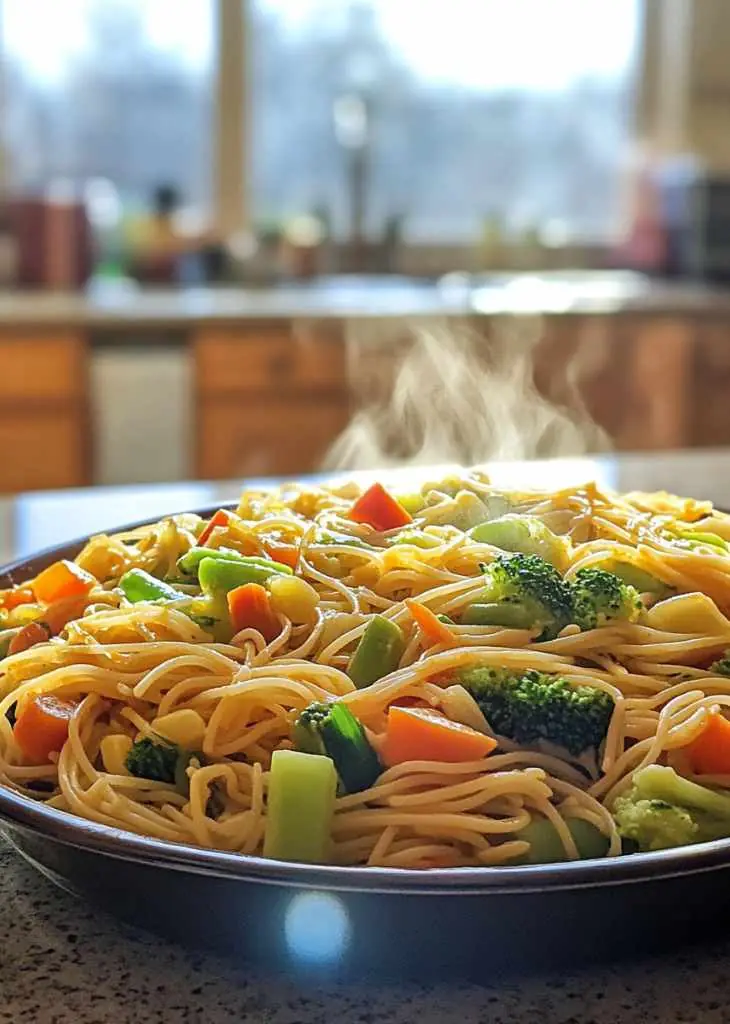
- Layer vegetables by cook time. Hard vegetables first, soft last.
- Use pasta water strategically. Its starch creates silkiness without cream.
- Finish with acid. Lemon zest brightens everything.
- Grate Parmesan fresh. Pre-shredded lacks melt and depth.
Storage & Reheating
Store pasta primavera in an airtight container for up to 4 days. The vegetables will soften slightly but remain flavorful.
To reheat, warm gently in a skillet with a splash of water or olive oil. Microwave reheating works too—cover loosely to trap steam and preserve moisture.
For meal prep pasta primavera with roasted vegetables, roast veggies separately and combine just before serving to maintain texture.
FAQs
1. Can I make pasta primavera ahead of time?
Yes. Store components separately for best texture, then combine before serving.
2. Is pasta primavera healthy?
It’s rich in vegetables and uses olive oil instead of heavy cream, making it lighter than many pasta dishes.
3. What protein goes best with pasta primavera?
Grilled chicken, shrimp, salmon, or white beans complement the vegetables without overpowering them.
4. Can I use gluten-free pasta?
Absolutely. Choose a sturdy variety and cook just to al dente.
5. Why is my pasta primavera watery?
You may have added too much pasta water. Add gradually until glossy, not soupy.
6. What other pasta recipes should I try?
If you enjoy comforting pasta dishes, try Enjoy Baked Ziti with Sausage for a heartier option.
Nutrition (Per Serving Approximate)
- Calories: 420
- Protein: 14g
- Carbohydrates: 58g
- Fiber: 6g
- Fat: 14g
- Saturated Fat: 3g
- Sodium: 320mg
Disclaimer: Nutritional values are estimates and vary based on ingredients used.
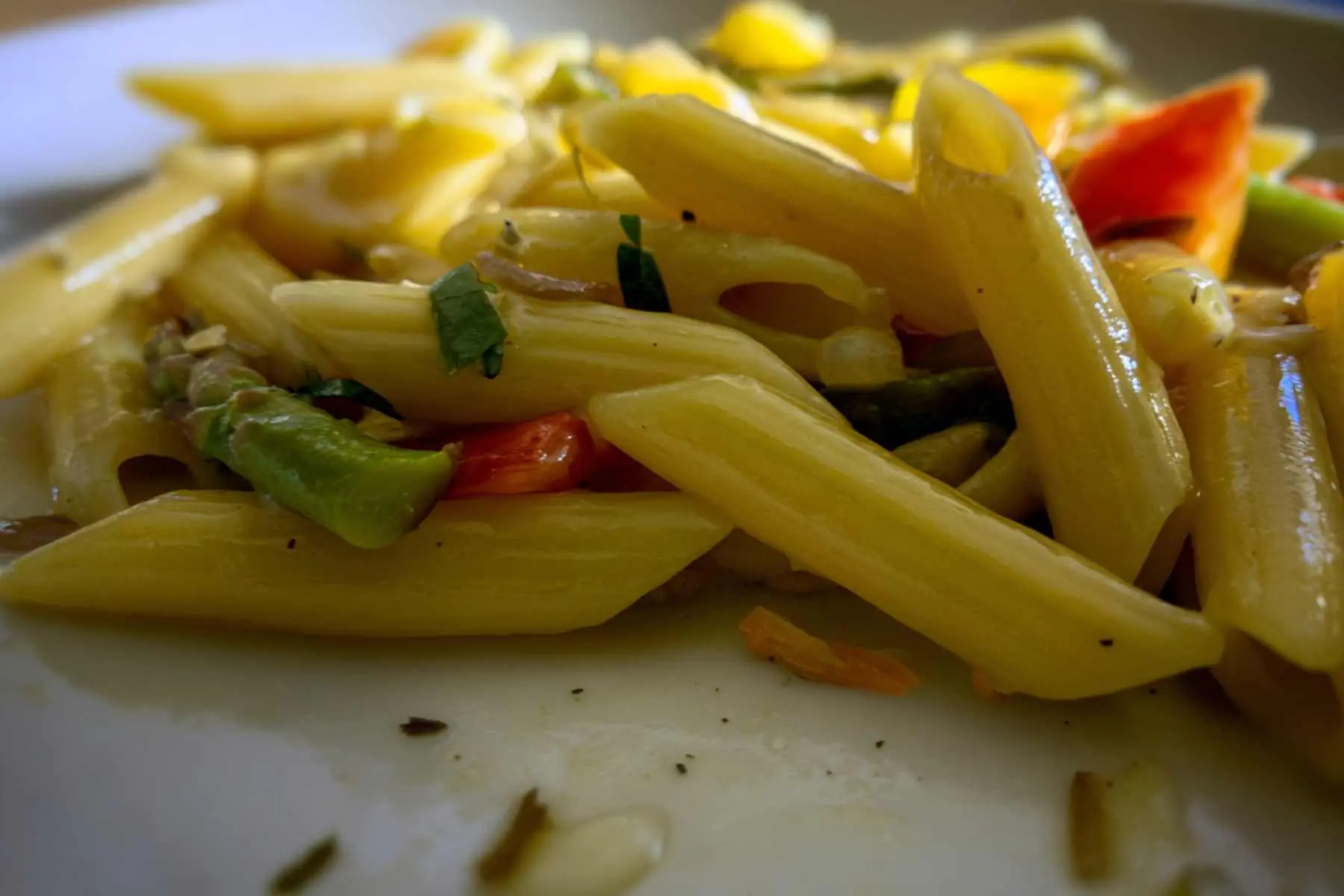

Pasta Primavera with Fresh Spring Vegetables
Ingredients
Equipment
Method
- Bring a large pot of salted water to a rolling boil. Cook pasta until just al dente, about 1 minute less than package instructions. Reserve ½ cup pasta water, then drain.
- Heat olive oil in a large skillet over medium heat. Add minced garlic and cook for 30 seconds until fragrant but not browned.
- Add asparagus and sliced bell peppers. Sauté for 2–3 minutes. Stir in zucchini and yellow squash and cook until vegetables are tender-crisp.
- Add cherry tomatoes and cook briefly until slightly softened but still bright.
- Transfer drained pasta to the skillet. Toss with Parmesan, lemon zest, crushed red pepper flakes, and a splash of reserved pasta water to create a light glossy coating.
- Season with salt and freshly cracked black pepper. Garnish with fresh basil or parsley and serve immediately.
Notes
Final Notes
Pasta primavera celebrates the beauty of seasonal cooking. It proves that simple ingredients—when treated with care—transform into something extraordinary. The gentle crunch of asparagus, the sweetness of roasted peppers, the brightness of lemon zest—each bite feels alive. This spring vegetable pasta is more than a recipe; it’s a reminder that freshness is flavor.